Low trading costs, widespread brokerage access, and an expanding ETF product lineup have made it possible for investors to access increasingly sophisticated strategies with ease. Understanding exactly what those strategies do, however, is becoming more challenging, observes Tony Dong, lead ETF analyst at ETF Central.
The growing complexity of ETFs is particularly evident in the options-based segment, where product development and investor demand have accelerated considerably. Options strategy ETFs attracted a record $105.3 billion in net inflows during 2025, followed by another $77.4 billion through July 2026.
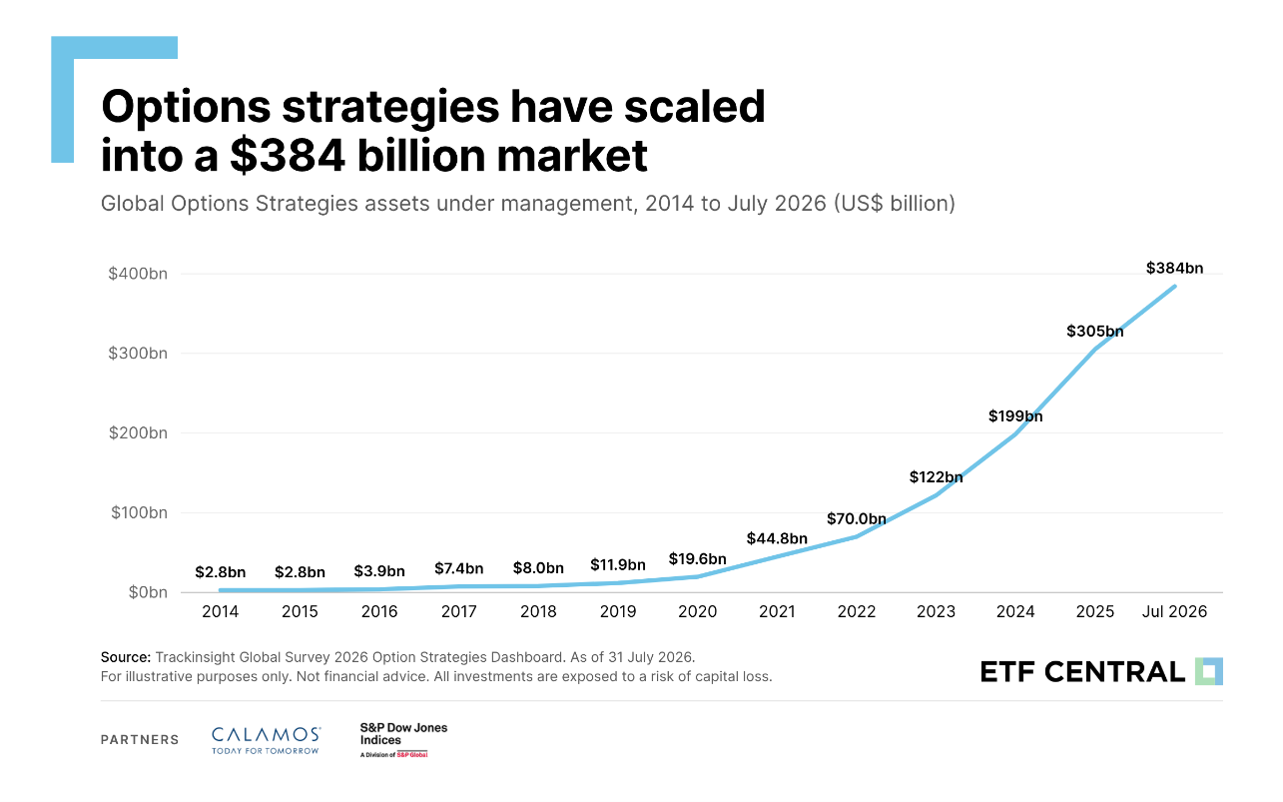
These figures suggest considerable appetite for strategies that go beyond conventional stock and bond exposure, particularly when it comes to income generation and risk management. But half of investors are buying ETFs without fully assessing them.
The accessibility of the ETF wrapper has been one of the industry's greatest achievements. Making the strategies inside that wrapper equally understandable should be the next priority. There is an opportunity for ETF issuers to improve how they communicate product information.
Prospectuses, summary prospectuses, and shareholder reports contain important disclosures. But the information can be spread across multiple documents and presented in language that isn't particularly accessible to the average investor.
For options-based ETFs in particular, such a document could explain the strategy's payoff mechanics using standardized examples, including what happens when the underlying market rises sharply, trades sideways, or experiences a substantial decline. It could also distinguish distribution rates from total returns, identify the circumstances in which downside protection applies, and make the impact of fees and taxes easier to compare.
The objective would be to give investors a consistent starting point for understanding what an ETF does, what it costs, and where its major risks lie – without requiring them to piece together that information from several different disclosures.