Welcome to Part One of our special report from the World Money Show . We begin with several keynote speakers, Steve Forbes, Ed Finn, John Bogle, and Stephen Moore .
The photo below (left), featuring Intershow president Kim Githler and myself along with Steve Forbes; Economic Minister from the South African Embassy, Mudunwazi Baloyi; and Geoff Rothschild from the South African JSE Securities Exchange, helps to exemplify the true global perspective of the World Money Show. Also below (right) are Paul Kangas, of Nightly Business Report, who hosted The World Money Show, along with wife Peni Kangas, just returning from India.


From Japan to China; from Europe to Africa; and from Canada to South America, this special World Money Show Highlights Report will cover the broad diversity of investment opportunities around the globe, as well as, of course, the best opportunities within the US.
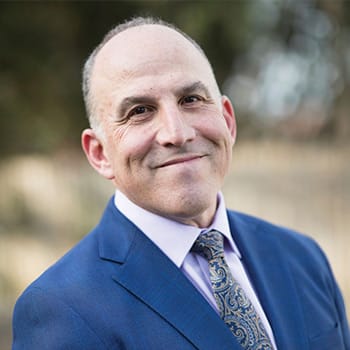
I would note that our Highlights reports following each Money Show is run in two parts. However, because of the broad scope of material featured at The World Money Show, we are expanding our coverage to three full issues. Here, we begin with commentary from Steve Forbes, as well as several other keynote speakers from the Opening Ceremonies. (For more information on any of the speakers below, simply click on their photos.)
 "In a bull market, the cliché is ‘climbing a
wall of worry,'" says Steve Forbes, president and CEO
of Forbes . "That’s what makes investing tough.
If you feel good, don’t invest. If you feel bad, do it. This is very, very hard
to do. But we’re in one of those periods today. We are climbing walls of worry.
We are all aware of what a treacherous and uncertain world we live in. We look
at what’s happening in Washington—
deficits; oil prices; rising interest rates. But the fact that there is
so much uncertainty, the fact that people are cautious, is actually a very
bullish sign. The fact of the matter is that America today has the fastest-growing
economy of any advanced economy in the world. That’s going to continue
in 2005. We have a productivity boom of historic proportions. Personal incomes
are still rising. Capital spending, which collapsed in 2000, is now
growing at double-digit rates. Inventories are still low. Big companies are still very cautious and sitting
on hoards of cash. But small- and medium-sized companies are starting to loosen the purse
strings again. So you put those factors together and you have the ingredients
for a real expansion. So what’s going to happen to the stock market? It will go
up."
"In a bull market, the cliché is ‘climbing a
wall of worry,'" says Steve Forbes, president and CEO
of Forbes . "That’s what makes investing tough.
If you feel good, don’t invest. If you feel bad, do it. This is very, very hard
to do. But we’re in one of those periods today. We are climbing walls of worry.
We are all aware of what a treacherous and uncertain world we live in. We look
at what’s happening in Washington—
deficits; oil prices; rising interest rates. But the fact that there is
so much uncertainty, the fact that people are cautious, is actually a very
bullish sign. The fact of the matter is that America today has the fastest-growing
economy of any advanced economy in the world. That’s going to continue
in 2005. We have a productivity boom of historic proportions. Personal incomes
are still rising. Capital spending, which collapsed in 2000, is now
growing at double-digit rates. Inventories are still low. Big companies are still very cautious and sitting
on hoards of cash. But small- and medium-sized companies are starting to loosen the purse
strings again. So you put those factors together and you have the ingredients
for a real expansion. So what’s going to happen to the stock market? It will go
up."
 "The basic underlying facts of the US economy
are quite strong," says Ed Finn, editor and
president of
Barron's. "I have never seen
the kind of gridlock in executive suites as I’ve seen over the past few
years. Many CEOs were spending their time figuring out if they were doing
things right and what they might need to worry about in their accounting.
They were very shy about investing in new products, new factories, and
new marketing programs. That is now changing and that showed up in the fourth-quarter
statistics. Business is spending more. The baton is being handed from consumers to businesses. This shows
we are in a healthy economy. We see corporate profits moving up about 10%
this year. The 10-year Treasury bond, we think, will be about 5% by the end of the
year. As for stocks, we see them moving up about 10% this year in concert with
rising earnings. And as companies return more profits, stocks will become more
valuable."
"The basic underlying facts of the US economy
are quite strong," says Ed Finn, editor and
president of
Barron's. "I have never seen
the kind of gridlock in executive suites as I’ve seen over the past few
years. Many CEOs were spending their time figuring out if they were doing
things right and what they might need to worry about in their accounting.
They were very shy about investing in new products, new factories, and
new marketing programs. That is now changing and that showed up in the fourth-quarter
statistics. Business is spending more. The baton is being handed from consumers to businesses. This shows
we are in a healthy economy. We see corporate profits moving up about 10%
this year. The 10-year Treasury bond, we think, will be about 5% by the end of the
year. As for stocks, we see them moving up about 10% this year in concert with
rising earnings. And as companies return more profits, stocks will become more
valuable."
 "Successful investing is simple,"
says John Bogle, founder of the
Vanguard Group. "Do
a few things right; avoid
making stupid mistakes. Let me offer three rules you should follow, no matter what
strategy you pursue. Number one, realize that you don’t get what you
pay for. Whatever future returns the market is generous enough to deliver, few investors will capture
100% of those returns, simply because of the high cost of investing. So pare those
costs to the bone. That is why I believe an index fund is the
best way to invest. Second, own American businesses. And then don’t do anything;
just stand there. And don’t own just one company or industry, but
a broadly diversified portfolio. Third, invest for the long run and stay the course. Invest
for decades; invest for a lifetime. Start as soon as you can. No one knows
what stocks will do tomorrow or over the next year. But over the long pull, you
have one thing going for you, and it’s what you need to know more than anything else
about investing. Over the long term, you have dividend and earnings growth
of American business and that will eventually be reflected in rising stock
prices."
"Successful investing is simple,"
says John Bogle, founder of the
Vanguard Group. "Do
a few things right; avoid
making stupid mistakes. Let me offer three rules you should follow, no matter what
strategy you pursue. Number one, realize that you don’t get what you
pay for. Whatever future returns the market is generous enough to deliver, few investors will capture
100% of those returns, simply because of the high cost of investing. So pare those
costs to the bone. That is why I believe an index fund is the
best way to invest. Second, own American businesses. And then don’t do anything;
just stand there. And don’t own just one company or industry, but
a broadly diversified portfolio. Third, invest for the long run and stay the course. Invest
for decades; invest for a lifetime. Start as soon as you can. No one knows
what stocks will do tomorrow or over the next year. But over the long pull, you
have one thing going for you, and it’s what you need to know more than anything else
about investing. Over the long term, you have dividend and earnings growth
of American business and that will eventually be reflected in rising stock
prices."
 "I want to share a story that helps describe the long-term value
of ownership in our society," says Stephen Moore, senior fellow in economics at the
Cato Institute.
"It was Albert Einstein who once said that the most powerful force in the universe
is 'compound interest.' There is a wonderful story about a man named
Theodore Johnston, an Air Force pilot in WWII, who came back after serving his
country and took a job as a UPS truck driver in 1948. Over his whole career,
until he retired in the late 1980s, he never made a salary of more than $46,000
a year. But this is what he did. From every pay check that he received, from the
time he started working, he put 15% of that money into buying UPS stock. Now,
that’s not a very risk-averse portfolio. But he believed in the company and
diligently invested 15% of his earnings into that stock. He did that for 40
years. When he died a few years ago his heirs were shocked to learn that his net
wealth was $62 million. Folks, if you invest at an early age and you do it in a
disciplined fashion, you can make a lot of money in this country. That’s you way
you get rich."
"I want to share a story that helps describe the long-term value
of ownership in our society," says Stephen Moore, senior fellow in economics at the
Cato Institute.
"It was Albert Einstein who once said that the most powerful force in the universe
is 'compound interest.' There is a wonderful story about a man named
Theodore Johnston, an Air Force pilot in WWII, who came back after serving his
country and took a job as a UPS truck driver in 1948. Over his whole career,
until he retired in the late 1980s, he never made a salary of more than $46,000
a year. But this is what he did. From every pay check that he received, from the
time he started working, he put 15% of that money into buying UPS stock. Now,
that’s not a very risk-averse portfolio. But he believed in the company and
diligently invested 15% of his earnings into that stock. He did that for 40
years. When he died a few years ago his heirs were shocked to learn that his net
wealth was $62 million. Folks, if you invest at an early age and you do it in a
disciplined fashion, you can make a lot of money in this country. That’s you way
you get rich."