
Higher gasoline prices are taking a bite out of various sectors of the economy. But one segment that could stand to benefit from it is the ride-hailing market. Lyft Inc. (LYFT) is the well-known rideshare operator, commanding the number-two spot in the US ridesharing market behind Uber Technologies Inc. (UBER), notes Clif Droke, editor of Cabot Turnaround Letter.
Lyft boasts a large installed customer base with tens of millions of active riders. Industry analysts believe continued strength in gasoline prices in the coming year could result in a growing number of consumers foregoing vehicle ownership in favor of on-demand transportation services like Lyft.
Lyft Inc. (LYFT)
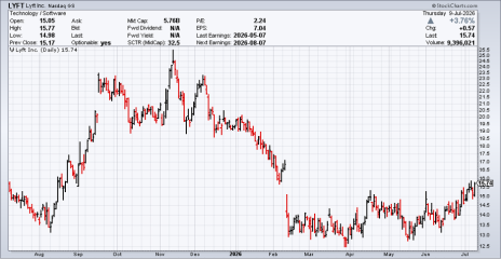
With gas prices currently elevated, there has reportedly been increased demand for ridesharing as vehicle costs and maintenance, coupled with high fuel prices, have priced out a growing number of younger drivers in particular. This is where Lyft enters the picture.
In a sign that its operational turnaround efforts are paying off, Lyft recorded net income of $14.2 million in Q1, underscoring that regular, sustained profitability has likely arrived. And with other issues no longer a major worry (including customer-service complaints and weak competitive positioning versus rivals like Uber), investors are now focused less on the firm’s survival and more on whether Lyft can make its profitability durable and continue expanding margins.
The company is also more financially disciplined under CEO David Risher, allowing Lyft to boast positive free cash flow of $308 million in Q1. It also improved margins, with adjusted EBITDA margin edging up to 2.7% (compared to 2.6% in the year-ago quarter), while growing adjusted EBITDA by 25% year-over-year to $133 million.
All told, Lyft is an enticing turnaround story, with the stock attractively valued and well positioned for future price gains — especially if the ridesharing market expands significantly in the coming years.