As of mid-August, the ETF Central Screener lists 5,599 ETFs. Of those, approximately 950, or 17% of the entire universe, are classified as options-based strategies. Many of these products can trace their lineage back to the first covered call ETF to enter the US market: the Invesco S&P 500 BuyWrite ETF (PBP), notes Tony Dong, lead ETF analyst at ETF Central.
PBP launched near the end of December 2007 and tracks the Cboe S&P 500 BuyWrite Index. At the time, the strategy was fairly novel for an ETF. It maintained long exposure to the S&P 500 Index (^SPX) while systematically selling at-the-money call options against that exposure each month. Investors received the option premiums as additional cash flow in exchange for surrendering much of the market's upside.
Invesco S&P 500 BuyWrite ETF (PBP)
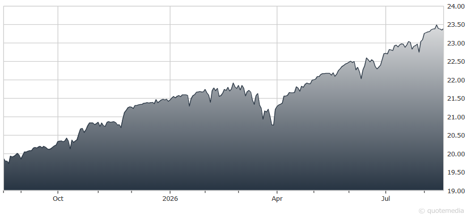
The long-term results illustrate the primary drawback of that first-generation approach. Since inception, PBP has returned approximately 5.2% annually, even assuming all of its substantial distributions were reinvested. Over the same period, the S&P 500 compounded at approximately 11.2% annually.
PBP's relatively modest 0.29% expense ratio wasn't the problem. Rather, systematically selling at-the-money calls across the portfolio placed a substantial ceiling on upside participation. That proved particularly costly across the long bull markets that followed the Global Financial Crisis.
Covered call ETFs have evolved considerably since then, but the fundamental trade-off hasn't disappeared. Selling calls still means exchanging some potential capital appreciation for option premium. So, covered call strategies can continue to lag long-only equities during strong bull markets. What has changed is how ETF managers implement that trade.
Newer strategies have become more selective about how much of the portfolio they overwrite, where they set strike prices, which underlying assets they use, and how they manage the tax consequences of their options income. The category has also expanded far beyond the S&P 500 into bonds, commodities, cryptocurrencies, international equities, and even individual stocks.