

In physics, kinetic equilibrium describes a system in which forces are balanced, and motion continues at a steady, unchanging rate. Felix Vezina-Poirier of BCA Research argues that we can apply kinetic equilibrium to the Iran conflict – and crude oil, observes Lance Roberts, editor of the Bull Bear Report.
Unlike most analysts, he believes that oil prices are not the result of the ebbs and flows in the conflict. Instead, he thinks oil prices are steering the conflict. When oil prices are at the lower end of the recent range, both sides appear more comfortable bad-mouthing each other and escalating their actions. Conversely, when oil prices climb, the political pressure forces more constructive communications.
WTI Crude Oil (YTD)
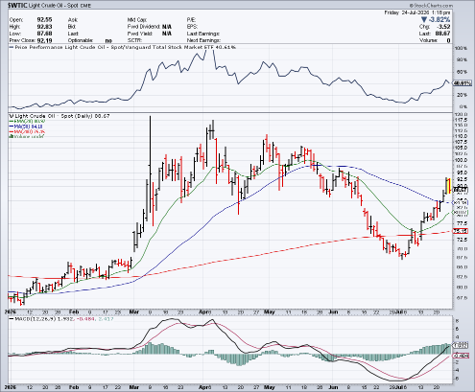
Source: StockCharts
Crude oil prices have climbed roughly 20% over the past month, touching a six-week high near $90 as the US military has carried out numerous strikes and Iran has responded with missile attacks on neighboring countries. Their kinetic equilibrium theory regarding military conflict in Iran is about to be tested. Will higher prices force both sides toward talks?
We have written about how a durable decline in oil prices would flow through to CPI, take rate hikes off the table, and possibly reopen the door to Fed rate cuts. BCA’s kinetic equilibrium theory offers the geopolitical trigger that might produce that decline. If the conflict continues to be swayed by oil prices, the next several weeks should bring renewed diplomatic movement rather than further escalation.
However, if the kinetic equilibrium fails with prices continuing higher and escalating military actions, the markets may become less complacent about the conflict. Keep this in mind if you’re trading energy markets.