
Recent inflation trends have forced the Federal Reserve to pause anticipated rate cuts, making high interest rates and small stocks an important topic for investors again. The common belief is that small stocks underperform when interest rates are high or rising. That view is not baseless, outlines Faris Sleem, editor of The Bowser Report.
Higher rates can increase market volatility, pressure valuations, and make financing more expensive for smaller companies. However, volatility can also create opportunity.
iShares Russell 2000 Index Fund (IWM)
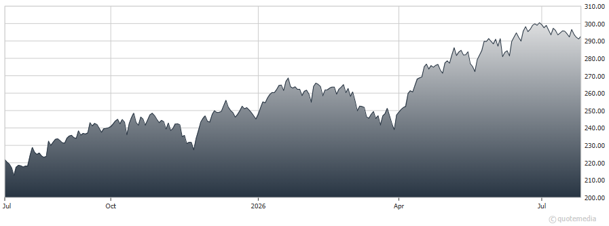
Rather than broadly accepting that small stocks will underperform, investors can take a more disciplined approach. By understanding why elevated rates matter for small companies, investors can better identify which stocks deserve attention and which should be avoided. That approach fits naturally within the Bowser framework, where balance sheet strength, operating progress, and valuation discipline are central to the process.
Small stocks are different from their larger counterparts in more than just share price. While market volatility affects their stock prices, elevated rates can also have a direct effect on the underlying businesses.
That effect largely stems from the fact that smaller companies tend to have less access to capital. Many small businesses rely on outside financing to fund growth, manage working capital, or support operations during weaker periods. When borrowing costs remain high, that financing becomes more expensive. If rates rise further, the pressure can increase.
But avoiding small stocks altogether can mean missing exposure to a historically profitable segment of the market. Selectivity is important.
In other words, higher-for-longer rates do not eliminate small-stock opportunity. They raise the standard for which small stocks investors should consider.